
A sofa can look right in a showroom and fail at home if a chaise blocks a balcony door, a coffee table narrows the walkway, or the TV sits too high. Good living room furniture ideas start with measurements before upholstery.
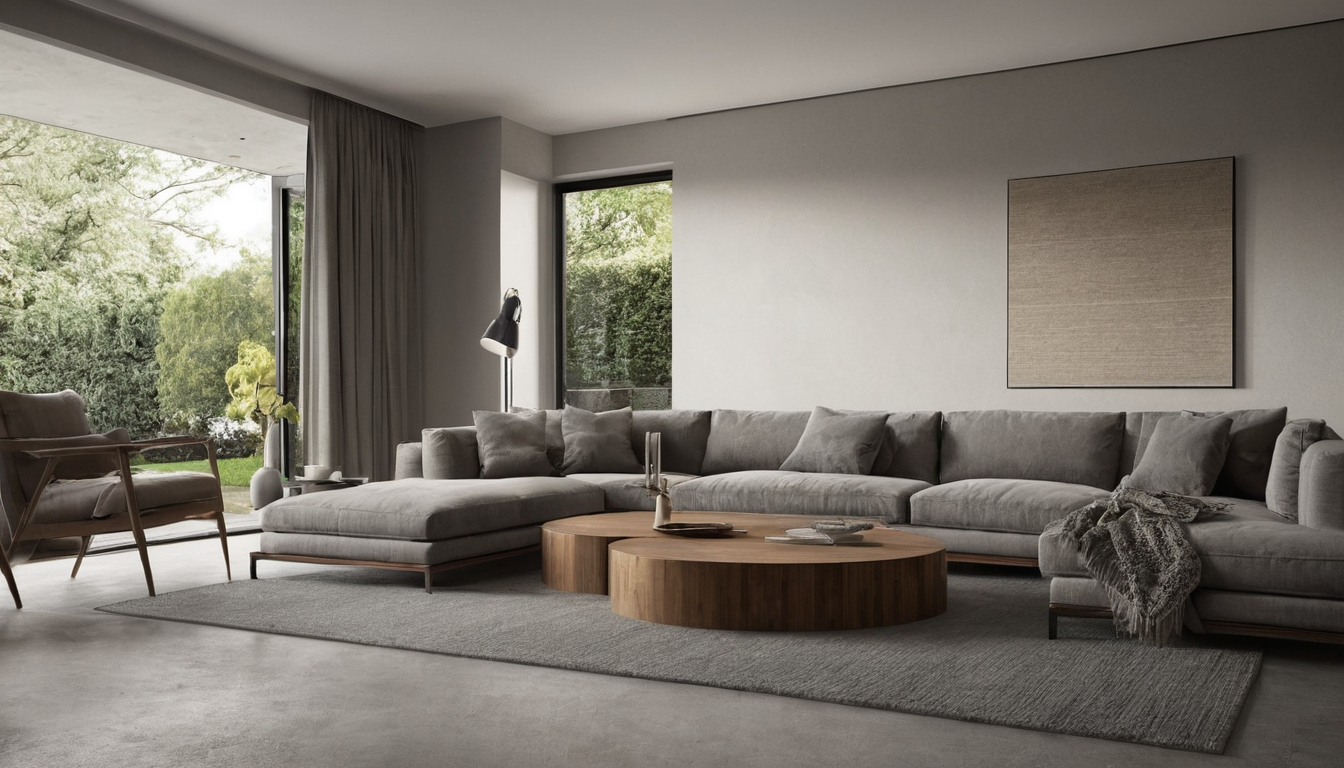
Living Room Furniture Layouts That Work Before You Buy the Sofa Set shown with floor, wall, and fixture relationships visible.
A living room furniture layout should be measured before the sofa set is chosen
The living room furniture layout should start with a scaled plan, because usable floor area, openings, services, and circulation decide which sofa set can fit before style is considered.
What must be marked on a living room floor plan before shopping?
- Measure in one system first, preferably millimetres with inch equivalents noted for imported furniture.
- Draw wall lengths, ceiling height, columns, niches, bay windows, stairs, built-ins, fireplace, and open-plan connections.
- Mark door swings, window sill heights, curtain stack space, HVAC grilles, radiators, outlets, TV point, and data points.
- Test sofa depth, chair width, coffee table size, and media-unit position on graph paper or planning software.
Which room features reduce the real furniture zone?
Usable floor area is the part of the room that accepts furniture without blocking movement, cleaning access, services, or safe operation. Balcony doors, fireplace hearths, bay windows, stair edges, service panels, and routes to kitchens or terraces reduce the real furniture zone.
Moisture, air quality, and accessibility can also affect placement. The U.S. Environmental Protection Agency advises fixing damp spots promptly in its guide to mold, moisture, and homes, and identifies furnishings and building materials as common VOC sources in its indoor air quality guidance. The 2010 ADA Standards for Accessible Design set accessible dining and work surfaces at 28 to 34 inches above the finish floor.
Living room circulation clearances decide whether furniture ideas will work
Living room circulation clearances determine whether furniture feels comfortable after delivery, because the plan must leave clear walking routes between entries, seating, tables, media walls, windows, and open-plan connections.
What clearance is needed around sofas, chairs, and coffee tables?
- Main walking route: allow about 36 inches where people pass regularly between doors, stairs, balcony access, or an open-plan kitchen.
- Secondary route: 24 to 30 inches can work beside a sofa or between occasional chairs.
- Sofa to coffee table: 14 to 18 inches usually keeps drinks reachable while leaving knee room.
- Media console access: leave front clearance for drawers, cables, ventilation, and cleaning.
Accessible planning needs more discipline. The 2010 ADA Standards specify a 30 by 48 inch clear floor space for wheelchair positioning in accessible design.
When can a small living room accept tighter furniture spacing?
A small living room can accept tighter spacing when furniture is shallow, armless, light, or easy to move. A compact sofa, nesting tables, wall-mounted media unit, and swivel chair often perform better than a deep sectional with a fixed chaise.
TV, fireplace, and window positions should set the seating axis before style decisions
The seating axis should be decided from fixed focal points first, because a sofa position must balance viewing distance, glare, conversation, heat, and daily circulation before fabric or frame style is selected.
How should a living room be arranged when the TV and fireplace compete?
A TV and fireplace can share a wall, sit on adjacent walls, face different parts of the room, or be handled with swivel chairs. The right choice depends on the activity that happens most often.
- Daily TV use: give the screen the straighter seating axis and keep the fireplace as a side focal point.
- Formal entertaining: center the seating group on conversation and use chairs that can turn toward the screen.
- Active fireplace: keep rugs, ottomans, and upholstery outside the heat and spark-risk zone recommended for that fireplace type.
- Window wall: check daytime glare before fixing the TV wall, then plan curtains, sheers, or blinds.
What viewing distance and TV height should be checked before buying the sofa?
The sofa location should be tested against screen size before ordering, because a deep sofa can push the seated eye position farther back than the floor plan suggests. A comfortable TV height usually keeps the seated eye line near the screen center, with only a modest upward angle.
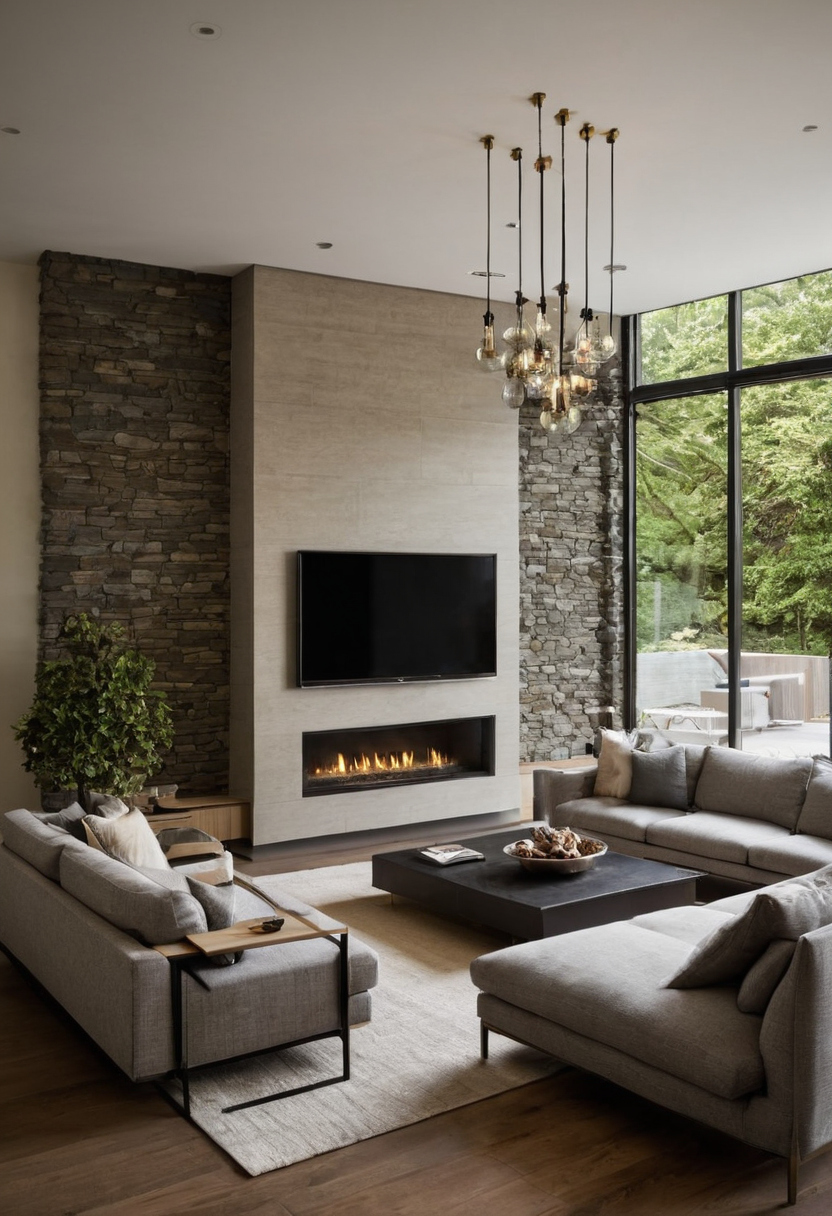
TV, fireplace, and window positions should set the seating axis before style decisions shown as an editorial reference for proportion and finish coordination.
The best living room layout type depends on room shape, not the sofa set category
The best layout type depends on the room’s shape, openings, and focal point rather than whether the showroom describes the sofa set as modern, classic, or luxury furniture.
Which sofa layout works for a narrow rectangular living room?
A narrow rectangular living room usually works best with a straight sofa and chairs, or a sofa with a carefully sized chaise. The risk is depth: a 38 to 42 inch deep sofa, a chaise return, and a media console can consume the walking lane before the room feels furnished.
Which layout works for an open-plan living room?
An open-plan living room needs a furniture zone, not a wall-to-wall set. A floating seating group or sectional with its back used as a soft boundary can define the room while keeping routes to the kitchen island, dining table, stairs, terrace, and entry clear.
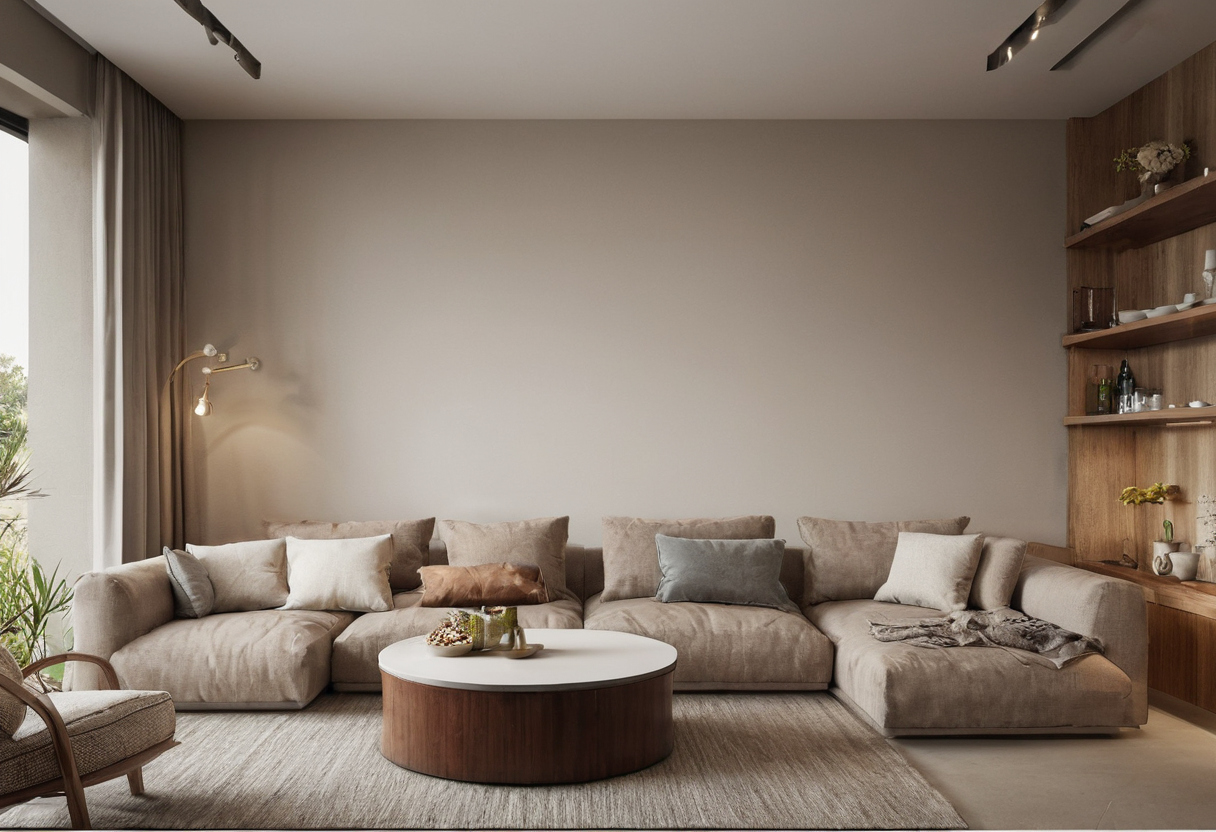
The best living room layout type depends on room shape, not the sofa set category shown as a planning reference for layout, scale, and material decisions.
- Straight sofa with chairs: flexible for narrow rooms, TV walls, and rooms with several doors.
- L-shaped sectional: efficient for square rooms or one clear corner, risky where paths cross behind the chaise.
- Two sofas facing: strong for conversation and fireplaces, less ideal for a single low TV wall.
- Corner arrangement: useful when windows and doors leave only one stable furniture corner.
When are two sofas better than a sectional?
Two sofas are better when conversation, symmetry, and future relocation matter more than lounging length. Opposing sofas usually feel comfortable when seat fronts sit around 6 to 8 feet apart, with a coffee table scaled between them.
Sofa scale, seat depth, and table proportions should be checked against daily use
Sofa scale is not only length; depth, arm height, seat height, back pitch, and table relationships change how the living room functions every day.
Why can a luxury sofa feel wrong in a normal living room?
Luxury furniture often carries generous proportions. Standard sofas commonly sit around 84 to 96 inches wide, while deep lounge sofas and modular pieces may run 38 to 44 inches deep before a chaise or ottoman is added. The lesson from Antonio Citterio’s work with B&B Italia and Maxalto is that proportion and configuration must be resolved before style is approved.
How should coffee tables, side tables, and media consoles be scaled?
Coffee tables work best when the height sits close to the sofa seat height, usually within a few inches. A coffee table length around one-half to two-thirds of the sofa length often gives better proportion than a small accent table in front of a long sofa. Media consoles need enough depth for equipment, cable bends, and ventilation while still leaving circulation.
A pre-purchase layout checklist reduces expensive living room furniture mistakes
A pre-purchase layout checklist protects the budget because furniture mistakes usually become visible after delivery, not while the sofa is still in the showroom.
What should be tested with painter’s tape before ordering?
- Tape the sofa, sectional, lounge chair, coffee table, rug, and media console outlines at full size.
- Mark balcony doors, curtain depth, cabinet swings, floor outlets, and walking paths.
- Walk the route with a tray, open doors, sit in the taped sofa position, and test TV glare.
- Approve the layout only after the household has lived with the taped plan for a short trial.
What ordering details should be checked for custom or imported furniture?
Custom upholstery, imported furniture, and non-returnable luxury furniture need specification control. The purchase order should list model, module codes, fabric or leather code, finish, exact dimensions, handedness, quantity, delivery address, and approved drawings.
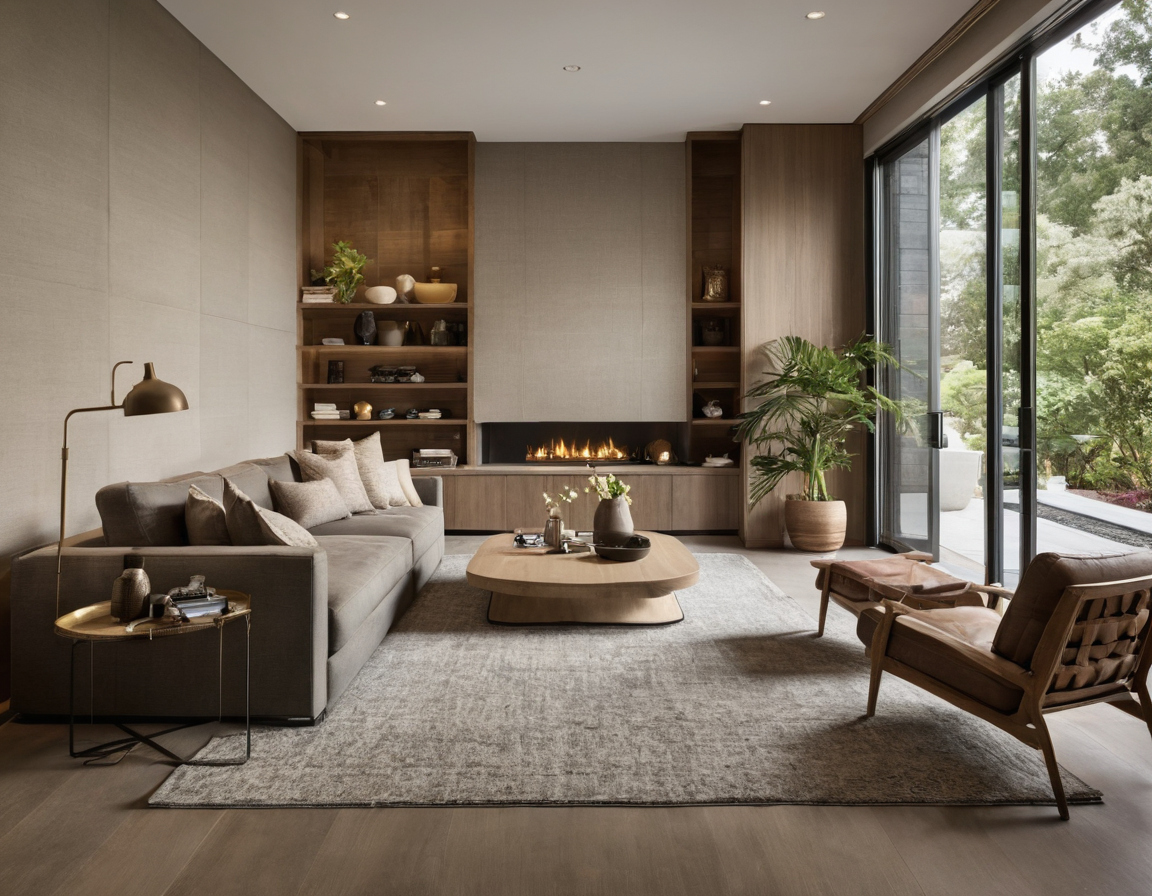
A pre-purchase layout checklist reduces expensive living room furniture mistakes shown with floor, wall, and fixture relationships visible.
- Measure door widths, corridors, stair turns, elevators, and packaged dimensions before confirming delivery.
- Check lead time, return policy, restocking fees, storage fees, re-delivery fees, alteration costs, and replacement risk.
- Finalize rug size, lighting locations, outlet access, built-in joinery, curtain depth, and media wall dimensions before production starts.
Lighting changes can affect outlets and lamp positions. ENERGY STAR states that qualified LED lighting uses at least 75 percent less energy and lasts up to 25 times longer than incandescent lighting. Larger projects should also review ordering mistakes that affect custom and villa-scale furniture.
FAQ
What are the four practical rules for arranging living room furniture before buying a sofa?
Measure the room, mark fixed constraints, test circulation clearances, and check the seating axis against the TV, fireplace, or view before choosing upholstery.